Building Brand Authority: Westlake Royal Roofing Solutions’ Playbook
In the roofing world, trust is earned one project at a time. I’ve spent over a decade climbing ladders, inspecting roofs, and guiding homeowners through complex decisions. When a client calls me to evaluate a leaky attic, they’re not just asking for a fix; they’re asking for certainty, for a plan that protects their home and their family. That is the heart of Westlake Royal Roofing Solutions’ playbook in practice: combine technical mastery with transparent communication to build enduring brand authority.
From the first consultation, I emphasize three things: clarity, accountability, and measurable outcomes. First, clarity means explaining the problem in plain language, not marketing jargon. A shingle misalignment or flashing failure isn’t just a nuisance; it’s a pathway to mold, rot, and skyrocketing energy bills if left unchecked. I walk clients through the diagnostic steps, showing photos, diagrams, and even time-lapse videos when possible. This visual method helps homeowners grasp the timeline, the scope of work, and the rationale behind every recommendation.
Second, accountability. If a plan calls for a specific underlayment, stencil layout, or ventilation strategy, we document it in a detailed proposal. We set milestones, establish payment triggers tied to tangible progress, and outline the warranty framework in clear terms. Our approach isn’t a sales pitch; it’s a service agreement that protects both sides and makes it easy to track progress as the project unfolds.
Third, measurable outcomes. Roofing isn’t merely about replacing shingles; it’s about energy efficiency, longevity, and indoor comfort. We measure success by air-sealing performance, drainage improvements, wind uplift resistance, and the long-term durability of materials. While the surface aesthetic matters, the bottom line is performance. By documenting pre- and post-install metrics, we provide clients with a Business concrete ledger of value that stands up to scrutiny.
In the sections that follow, you’ll find a blend of personal experience, client stories, and practical advice designed to help homeowners and industry peers understand how we build brand authority in the roofing space. This is a living playbook, not a rigid manual. It evolves with new materials, smarter inspection tools, and a growing network of trusted tradespeople. The ultimate aim is simple: help you make informed decisions, protect your home, and feel confident with every step you take.
Why Trust Is Built Through Transparency and Results
When I reflect on the most successful projects, the common thread is transparency paired with verifiable results. A homeowners’ association in a suburban neighborhood faced recurring moisture issues after a storm damaged multiple roofs. They had previously relied on quick-fix contractors who offered discounts but provided inconsistent results. We approached the problem differently. We scheduled a full diagnostic day where we opened every roof segment, tested for wind-driven rain resistance, and measured attic ventilation effectiveness. We showed the stakeholders exactly where failures occurred, explained the role of soffit vents, ridge ventilation, and attic baffles, and demonstrated how a moisture barrier would perform under heavy rainfall. The result? A phased replacement plan that prioritized safety, minimized disruption, and stayed within budget. The HOA leadership appreciated the transparency and, crucially, the ability to present a clear, objective plan to residents.
For individual homeowners, the advantage of building brand authority through transparency is even more personal. Take the elderly couple who needed a replacement after decades of wear. They were understandably anxious about choosing materials, timing, and cost. We walked them through a side-by-side comparison of asphalt shingles, standing-seam metal, and a hybrid option. We laid out maintenance expectations, lifecycle costs, and potential resale value. By the end, they chose a long-lasting metal option with a transferable warranty, and they expressed relief knowing they wouldn’t face surprise expenses after installation. That relief isn’t just a feel-good moment; it’s a tangible demonstration of the trust we aim to cultivate with every client.
In roofing, transparency isn’t just about telling the truth; it’s about showing your work. That means sharing:
- Pre-installation assessments and diagnostic results. Material substitutions with no hidden costs. Timelines that align with weather windows and project constraints. Clear, written warranties and service guarantees.
By documenting and sharing these elements, we transform a construction project into a collaborative partnership. The client sees that we aren’t chasing a quick sale; we’re safeguarding their home and investing in long-term performance. And in a field where reputations spread as quickly as wind-driven rain, a transparent approach becomes a powerful differentiator.
Personal Experience: The Lessons a Roofer Learns on the Roof
Years of hands-on work have taught me that expertise isn’t just technical knowledge; it’s an attitude of curiosity, empathy, and meticulous care. I remember a project where a homeowner’s roof line was compromised by an aging drainage system and a poorly vented attic. The prior contractor had installed a seemingly sturdy system, but the attic still felt damp, and the ceiling paint blistered near vents. My team and I treated this as a puzzle with multiple moving parts.
First, we revisited the roof’s structural fundamentals. We inspected the rafters for signs of sagging, checked the decking for moisture damage, and tested the underlayment for breathability. It became clear that the root cause wasn’t simply shingles wearing out; it was a ventilation mismatch. Poor intake vents combined with clogged exhaust vents created stagnant air and condensation that corroded nails and soaked wood. Addressing the root cause required a dual approach: replacing sections of decking where rot was evident and upgrading the entire venting strategy to improve cross-ventilation.
Second, we reimagined the drainage plan. A flat surface at the eave started collecting water during rainstorms, leading to early ice dam formation in winter. We added new drip edges, adjusted the slope of drainage channels, and installed heat cables in critical spots where ice dams had previously formed. This wasn’t about chasing a trendy solution; it was about restoring a system that works with nature rather than against it.
Third, the client-facing moment. We prepared a transparent, itemized cost breakdown and a 3D roof model that showed the old versus new airflow and water-shedding pathways. The homeowner, typically anxious when making big financial moves, felt reassured by the visual tool plus the detailed warranty. The project delivered a dry, energy-efficient home with a roof that will stand up to the next storm. That experience reinforced a simple truth: trust grows when you can show results that align with promises.
From this and dozens of projects since, I’ve learned five core practices that keep a roofing business credible and reliable:
- Document everything. Photos, measurements, diagrams, and notes become a narrative clients can revisit. Prioritize safety. The most overlooked part of any job is the human element. A safe worksite protects homeowners and workers alike. Communicate in plain language. Avoid technical jargon that obscures the realities of a project. Validate with data. Use on-site tests for ventilation, moisture, and insulation where possible. Stand by your work. A robust warranty and a clear process for claim resolution go a long way toward building lifelong trust.
If you’re about to embark on a roof project, ask yourself: is this contractor transparent with the data, risks, and costs? Do they have a process to verify outcomes? If the answer is yes, you’re likely on the path to a confident decision.
Client Success Story: A Wind-Resistant Roof Replacement That Withstood a Severe Storm
One memorable project involved a coastal home that endured back-to-back storms with hurricane-force winds. The previous roof, installed years earlier, had insufficient wind resistance and water shed patterns that allowed wind-driven rain to infiltrate the attic during storms. The homeowners were anxious about repeated leaks, mold risk, and increasing insurance premiums.
Our approach began with a rigorous assessment. We measured wind uplift ratings for potential shingle choices and ran you could look here a model of wind-driven rain on the roof profile. After evaluating several options, the homeowners selected a high-wind-rated asphalt shingle combined with a continuous ridge vent and a sealed underlayment system tested for moisture migration. We also added a secondary drainage layer at critical points to ensure rapid water removal during heavy rainfall.
Throughout the project, we maintained open channels of communication. The homeowners received weekly updates with progress photos, inspection checklists, and a clear schedule that aligned with the weather window. We also documented every warranty term and confirmed the transferability of coverage, so their investment would be protected long after the project completion.
The outcome was remarkable. The new system dramatically reduced interior humidity, prevented ice dam formation in winter, and improved the home’s energy performance. When the next storm hit, the homeowners reported minimal impact and slept better knowing the roof was capable of withstanding extreme conditions. Stories like this showcase the power of a well-planned, data-driven approach to roofing that prioritizes safety, performance, and peace of mind.
Materials and Methods: Choosing the Right Roofing System for Your Climate
Selecting the right roofing system requires a careful balance of climate considerations, building structure, and homeowner preferences. It’s not enough to pick a material that looks good. You want a system that performs reliably in your specific environment, whether that means resisting salt spray in coastal towns or withstanding heavy snowfall inland.
Here are the key decisions we walk clients through:
- Material type: Asphalt shingles, metal roofing, clay or concrete tiles, or synthetic composites. Each has strengths in durability, weight, fire resistance, and maintenance needs. Wind resistance: In high-wind zones, choose products with high wind rating and a continuous sealant profile. The ridge line design and nailing pattern dramatically influence uplift resistance. Underlayment and membranes: A high-quality underlayment reduces water migration and adds a layer of thermal protection. Moisture barriers and breathable membranes help manage condensation. Ventilation strategy: Proper intake and exhaust vents maintain indoor air quality and reduce attic temperatures. A balanced system prevents heat buildup in summer and moisture accumulation in winter. Insulation synergy: Roofing works best when paired with adequate insulation. Together, they reduce energy consumption and improve comfort.
In practice, we often present a side-by-side matrix of options tailored to the client’s roof geometry, budget, and climate. The table below illustrates a simplified comparison:
| Material | Durability (years) | Wind Resistance | Maintenance | Typical Cost (per sq ft) | |----------|--------------------|-----------------|-------------|---------------------------| | Asphalt Shingles | 20-30 | Moderate | Low to moderate | $1.50 - $4.00 | | Metal Roofing | 40-70 | High | Low | $5.00 - $12.00 | | Clay Tiles | 50-100+ | High | Medium | $7.00 - $15.00 | | Synthetic Composite | 30-50 | High | Low | $4.00 - $9.00 |
This type of decision aid helps homeowners weigh long-term value against upfront costs. It also communicates that roofing is not a single event but a system that interacts with insulation, ventilation, and the home’s overall energy performance.
Building Brand Authority: Westlake Royal Roofing Solutions’ Playbook in Action
This section digs into the core playbook elements that empower our brand authority. It’s not a marketing slogan; it’s a practical framework built from field experience, client feedback, and ongoing professional development. The playbook focuses on three pillars: education, evidence, and empathy.
Education means demystifying roof systems. We host quarterly homeowner seminars, publish simple, jargon-free guides, and provide on-site demonstrations when possible. For example, we invite clients to review a live drainage test or a ventilation airflow demonstration. They leave with a clear mental map of how the roof performs in different weather scenarios. This transparency builds trust because homeowners can see the system’s inner workings rather than relying on promises.
Evidence translates to documentation. We capture before-and-after data, recording energy performance metrics, moisture readings, and uplift test results. We share these results with clients and include them in post-project reports. When disputes arise or questions come up after project completion, the data stands ready to back our recommendations and reinforce the value delivered.
Empathy guides every client interaction. Roofing projects are emotional decisions for many homeowners. They want to feel cared for, not sold to. We listen first, asking questions about family routines, living arrangements during construction, and long-term expectations. We tailor schedules to minimize disruption and offer flexible financing options. If a project must pause for a family emergency or weather window, we communicate promptly and adjust the plan with the least amount of stress for the homeowner.
A practical takeaway: to build brand authority, combine technical excellence with clear education and a human-centered approach. When clients see that you’re both capable and compassionate, they refer you to friends and neighbors, and they become advocates for your business long after the project ends.

Operational Excellence: Scheduling, Safety, and Quality Assurance
Operational excellence is the backbone of reliable roofing service. It is not glamorous, but it protects people, safeguards the home, and keeps projects moving smoothly. Our approach blends structured scheduling with robust safety protocols and a stringent quality assurance process.
Scheduling starts with weather-aware planning. We build around expected rainfall, humidity, and wind patterns to minimize material damage and ensure a safe working environment. A typical project plan includes a kickoff walkthrough, a staged installation schedule, and a clear sequence of inspections. Each stage is tied to a checklist, which the crew uses to confirm completion before moving to the next phase. Clients receive a calendar with milestone dates and expected access times, so there are no surprises.
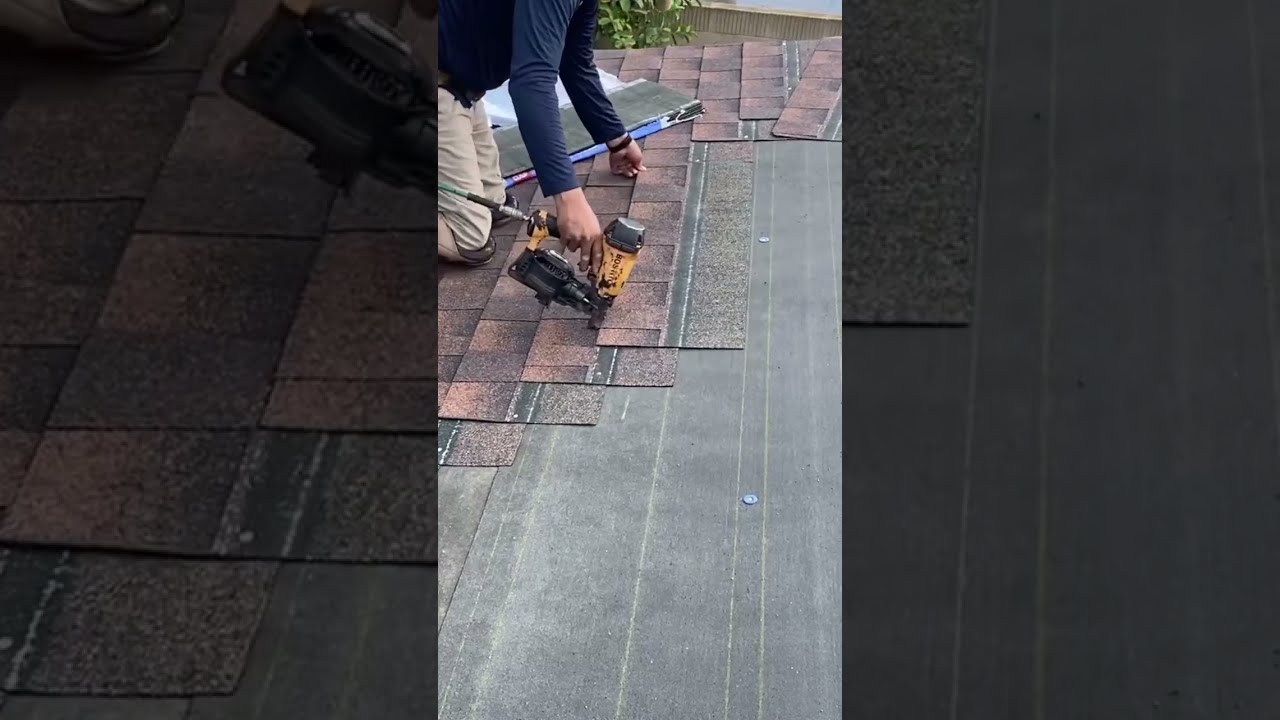
Safety is non-negotiable. Every crew member undergoes formal safety training, and we enforce PPE usage, fall protection, and proper tool handling. We maintain a daily safety briefing and a near-miss reporting system to catch potential hazards before they cause problems. The result is a safer site, fewer injuries, and fewer delays.
Quality assurance is embedded in every step. We use standardized installation methods, verify material compatibility, and conduct post-install inspections. The warranty framework is explained upfront, and we provide a detailed owner’s manual outlining maintenance procedures, recommended inspection intervals, and signs of potential issues.
This disciplined approach translates into reliable outcomes and positive client experiences. It also supports a strong reputation in the market, which in turn fuels referrals and repeat business. In roofing, reliability is a competitive advantage, and the playbook is the mechanism that keeps us consistently reliable.
The Thermostat Analogy: Communication that Keeps Clients Calm
A practical analogy I often use with clients is the thermostat. When you walk into a home, you want to feel the environment is controlled and predictable. The roof is a system that, when well-tuned, maintains a comfortable indoor climate, reduces energy costs, and protects interiors from weather extremes. Our communication strategy mirrors this idea: set expectations, monitor conditions, and adjust as needed.
- Set expectations: We start with a transparent proposal that outlines scope, costs, and timelines. We share case studies and warranty specifics so clients know what to expect after installation. Monitor conditions: During the project, we provide frequent updates, share progress photos, and document any weather-driven changes to the schedule. If conditions shift, we recalibrate the plan and communicate the new plan clearly. Adjust as needed: If a problem arises, we propose several corrective options with pros, cons, and costs. The client chooses the path forward with full information.
This approach reduces surprises, increases confidence, and fosters a sense of partnership. The homeowner is not left to wonder what is happening next; they know what to expect and why.
FAQs
1) What sets Westlake Royal Roofing Solutions apart from other roofers?
We combine field-tested technical mastery with transparent communication, data-driven decision-making, and a strong warranty framework. Our emphasis on education and empathy builds trust that lasts beyond project completion.
2) How do you handle weather-related delays?
We plan with weather windows, communicate changes promptly, and adjust the project schedule to minimize disruption while preserving quality and safety.
3) Do you offer financing options?
Yes, we provide flexible financing and clear cost breakdowns to fit different budgets without compromising workmanship or material quality.
4) What warranty do you provide?
Our warranties cover materials and workmanship with transparent terms that are transferable to future owners, giving lasting protection.
5) How do you ensure the quality of the installation?
We follow standardized installation practices, verify material compatibility, and conduct post-install inspections with documented checklists.
6) Can you help with energy efficiency and insulation in addition to roofing?
Conclusion: A Roadmap to Confidence in Your Roof
Choosing a roof is more than selecting shingles. It’s about selecting a partner who can protect your home, explain complex choices in plain language, and stand behind their work with a dependable warranty. The Westlake Royal Roofing Solutions playbook is built on transparency, evidence, and empathy. It’s a living framework designed to help homeowners and industry peers alike. By sharing diagnostics, showing progress, and Business keeping a steady focus on outcomes, we build brand authority not through flashy promises but through consistent performance and trusted relationships.
If you’re considering a roof project, start with clarity. Request a full diagnostic, ask for an itemized proposal, and insist on data that demonstrates expected performance. Look for a contractor who treats you as a partner, not a target. And remember, a roof is more than a shield from the weather; it’s a foundation for your home’s health, comfort, and value.
Final Thought
Building brand authority is less about loud claims and more about sustained, service-driven outcomes. The playbook we follow at Westlake Royal Roofing Solutions embodies this principle, turning every project into a story of trust, durability, and peace of mind for homeowners. If you’re ready to experience roofing done right, reach out for an initial consultation. Let’s assess your needs, explore your options, and set a plan that protects what matters most.